

Hair Loss from Radiotherapy
Radiotherapy is a critical step in cancer treatment; but side effects such as hair loss are, for most patients, not merely a physical loss. Seeing your hair thin when you look in the mirror can at times make you feel that your identity and your confidence in yourself have been shaken . This is a completely natural and understandable feeling.
So, is it possible to cope with this change during radiotherapy, to preserve your self-confidence and, until your hair grows back, to carry on with your life through natural, safe and comfortable solutions ? Thanks to modern hair system systems, feeling good about yourself and preserving your appearance during treatment is now far more accessible.
In this guide you will discover the causes of radiotherapy-related hair loss, the stages of the process and the ways back to a natural appearance. Our aim is not only to inform you but also to encourage and support you.
What Is Hair Loss from Radiotherapy?
While radiotherapy aims to destroy cancer cells, it can also affect rapidly dividing healthy cells in the target area. Hair follicles are foremost among these sensitive cells, and as a result radiotherapy-related hair loss occurs. This is a common side effect that particularly affects the psychological and social lives of patients undergoing treatment.
- The Mechanism: Radiation causes damage to the hair follicles and interrupts the growth cycle.
- Characteristics: Hair loss is usually confined to the treatment area, and its intensity depends on the dose of radiation applied.
- How Common It Is: Hair loss in the treatment area is observed in the great majority of patients receiving radiotherapy.
Radiotherapy-related hair loss is not confined to the scalp; the eyebrows, eyelashes and other hair near the treatment area may also be affected. In most cases, however, this process is temporary; after treatment is completed the hair follicles slowly recover and hair begins to grow back.
Why Does Radiotherapy Cause Hair Loss?
Radiotherapy uses high-energy rays to destroy cancerous tissue. Unfortunately, the hair follicles and the rapidly dividing cells around them in the area treated are also affected by these rays. This effect interrupts the hair’s growth cycle and leads to local hair loss .
- Sensitivity of the target area: The rays affect only the area being treated, which is why hair loss is usually localised.
- Disruption of cell division: The rapidly multiplying cells in the hair follicles are sensitive to radiation and the growth cycle stops.
- The effect of dose and frequency: The amount of radiation applied and the duration of treatment determine how heavy the hair loss is.
- Temporary or permanent effects: At low doses shedding is mostly temporary; at high doses it can be permanent.
Radiotherapy leads to hair loss because the hair follicles in the treatment area are directly affected by the radiation. This is usually local and treatment-dependent. Most patients experience hair growing back after treatment is completed, but the timing and density can vary from person to person.
When Does Hair Loss from Radiotherapy Begin?
Radiotherapy-related hair loss varies according to the area treated and the dose. Thinning and shedding are generally expected to begin within the first few weeks . This process is mostly confined to the area being treated, and the density of the hair and the speed at which it grows back can vary from person to person.
- Weeks 1–2: As the hair follicles are exposed to radiation, weakening is seen in fine strands.
- Weeks 3–4: Marked shedding begins in the treatment area, and the local area can become almost completely bare.
- The following weeks: Shedding may continue, and in some patients thinning of the eyebrows or eyelashes may also be observed.
This shedding is in most cases temporary and the hair follicles become active again once treatment is completed. Being patient, and using care and medical solutions that support hair regrowth, can make the process more comfortable.
When Does Hair Grow Back After Radiotherapy?
Radiotherapy-related hair loss is generally seen focused on the area being treated and is a temporary process in most patients. Once treatment is completed the hair follicles become active again and hair starts to grow back gradually. This process can vary, though, according to the dose of radiation applied and the person’s hair structure.
| 1–2 Months | Fine, soft hairs begin to appear |
| 3–5 Months | The strands thicken and density begins to increase |
| 6–9 Months | The appearance of the hair visibly recovers and the texture begins to match |
| 9–12 Months+ | Colour, texture and density return almost completely to normal |
At first the strands may be fine and a different colour, but with patience and the right care your hair regains its natural appearance. Where necessary, it is also possible to preserve your self-confidence during treatment with hair system solutions.
What Are the Ways to Reduce Hair Loss from Radiotherapy?
Although it is not possible to prevent hair loss during radiotherapy completely, some methods can help protect the hair follicles and keep loss to a minimum. With the right strategies, both your appearance and your self-confidence can be supported during this process.
- Targeted Radiation: Careful planning of the radiation dose and area by your doctor is important in avoiding unnecessary damage to the hair follicles.
- Scalp Cooling: Using special cooling caps during treatment can protect the hair follicles and reduce the rate of shedding.
- Gentle Care and Shampoos: The scalp is supported with fragrance-free, sulphate-free and gentle shampoos.
- Nutrition and Supplements: A diet balanced in protein, vitamins and minerals can increase the resilience of the hair follicles.
- Hair Systems and Temporary Solutions: Medical hair systems can be used during radiotherapy to preserve a natural appearance and support self-confidence.
It should not be forgotten that radiotherapy hair loss cannot be prevented entirely; but the methods above can make the process more manageable and more comfortable . Taking early measures and creating a personal plan together with your doctor is very important.
Support with a Hair System Against Hair Loss from Radiotherapy!
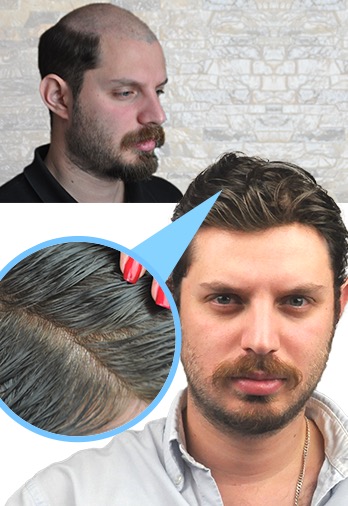
The hair lossexperienced during or after radiotherapy can be challenging both physically and psychologically. During this process, wearing hair system offers a non-surgical, safe and temporary solution. Until your hair grows back it allows you to preserve your self-confidence and makes your daily life more comfortable.
- Natural look: With a custom mould and hairline it creates the feel of real hair.
- Comfortable to Wear: Thanks to its breathable structure it provides comfort all day long.
- Support for Confidence: It supports your morale and self-confidence throughout radiotherapy.
- Medical Safety: Special adhesives and materials are used for a sensitive scalp.
- Flexible Planning: When hair grows back, the system can be adapted again to suit you.
Remember: you are not alone during radiotherapy. The NeoHair expert team is beside you for both your appearance and your psychological support.
Frequently Asked Questions
Can a hair system be used during radiotherapy?
Yes, a hair system can be used safely during radiotherapy. It is an ideal solution for preserving your appearance and supporting your self-confidence while you experience hair loss.
How long does hair loss from radiotherapy last?
Hair loss varies according to the area treated with radiotherapy and the dose. In most cases hair begins to grow back two to six months after treatment is completed.
Is a hair system safe during radiotherapy?
A hair system is applied using special adhesives and medical materials for a sensitive scalp, which makes it safe to wear during radiotherapy.
At what stage does radiotherapy cause hair loss?
Hair loss generally begins in the first two to four weeks of radiotherapy and may increase during treatment depending on the area affected.
Is it possible to reduce hair loss during radiotherapy?
Scalp cooling, gentle care products and the right nutrition can help to minimise hair loss. A hair system also provides morale and aesthetic support.
When can a hair system be used after radiotherapy?
A hair system can be worn right after hair loss begins or throughout treatment. Self-confidence is preserved in this way and daily life becomes more comfortable.
What should you pay attention to in hair system care?
A hair system should be cleaned with a gentle shampoo and suitable care products; the adhesives should be checked regularly and professional support sought when needed.
Is a short hair system suitable for radiotherapy?
A short hair system, with its light, breathable special design that provides a natural appearance, is a comfortable and attractive solution during radiotherapy.
Does hair grow back after radiotherapy?
Yes, radiotherapy-related hair loss is temporary in most cases. Once treatment is completed the hair follicles become active again and hair grows back gradually.
Related Posts

In Which Cases Is a Hair System Applied
Hair loss has been one of men’s main problems from the past to the present. Although it is seen in men, it is seen just as often in…
Read More
Hair System Models
Having natural-looking hair again after hair loss is possible with hair system models . How? What matters for this is that the hair is always styled naturally. At…
Read More
The Stages of Making a Hair System
Hair transplant Hair systems, chosen more often than that method and used more and more, bring the question “What is this hair system method?” to mind. First of…
Read More