

Chemotherapy and Hair Loss
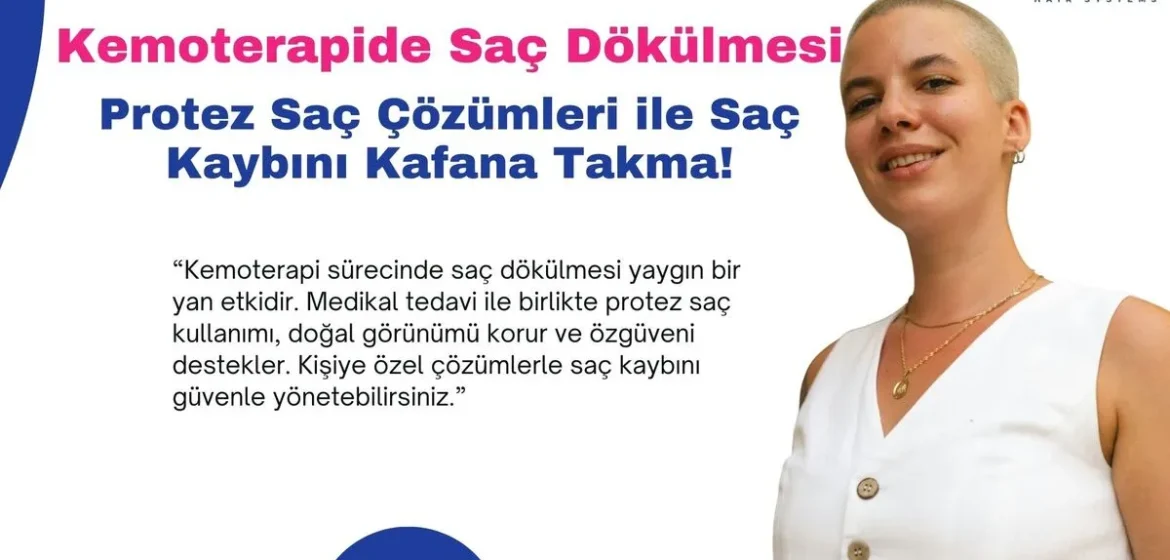
Chemotherapy is one of the most effective treatment methods in the fight against cancer; but the hair lossit brings with it is, for many patients, not only a physical but also an emotional test. When you look in the mirror, feeling that beyond losing your hair, your identity and your energy for life have diminished is a completely natural reaction.
So, is there a way in this process to preserve your self-confidence without feeling alone, by adapting to the change in your appearance? And is it possible to live through it with natural, comfortable and safe solutions until your hair grows back ?
Thanks to modern hair system systems developed today, during or after chemotherapy regaining your natural appearance, feeling good and rebuilding your self-confidence is now far easier. In this guide you will discover the causes of chemotherapy-related hair loss, how the process unfolds and the ways back to a natural appearance.
What Is Hair Loss During Chemotherapy?
While chemotherapy aims to destroy cancer cells, it also affects rapidly dividing healthy cells. Foremost among these cells are the hair follicles . The condition that results is called anagen effluvium in medicine, and shows itself as sudden shedding during the hair’s growth phase. This process is a natural side effect seen in the great majority of people starting treatment.
- The Mechanism: The hair follicles are damaged as a result of rapidly dividing cells being affected.
- Anagen Effluvium: Sudden, widespread shedding occurs during the hair’s growth phase.
- How Common It Is: Hair loss is observed in 65–90% of patients receiving chemotherapy.
This shedding can occur not only on the scalp but also in the eyebrows, eyelashes and body hair. But the most important point is that it is a temporary process . When treatment ends the hair follicles become active again and hair starts to grow.
Why Does Chemotherapy Make Hair Fall Out?
The drugs used in chemotherapy affect not only cancer cells but also rapidly dividing healthy cells . Because the hair follicles are among the fastest-multiplying cells in the body, they are directly harmed by this process. As a result the strands weaken and the heavy shedding known as anagen effluvium develops.
- Rapid cell division: Because hair follicles multiply quickly, they are more sensitive to the side effects of the drugs.
- Damage to stem cells: The drugs halt the growth cycle in the hair follicles.
- A temporary effect: Hair loss is in most cases reversible once treatment ends.
In short, chemotherapy causes hair loss because the treatment suppresses not only cancerous cells but also the healthy cells responsible for producing hair . This effect is not permanent; hair generally grows back after treatment.
When Does Hair Loss After Chemotherapy Begin?
Chemotherapy-related hair loss generally appears one to three weeks after the first cycles . The shedding usually develops suddenly and heavily. Not only the scalp but also the eyebrows, eyelashes and body hair can be affected by this process. Although it is temporary, it can have a powerful psychological effect on the person.
- Weeks 1–3: Marked thinning and shedding begins in the first strands.
- Weeks 4–6: Sudden, heavy hair loss is seen and much of the hair can fall out.
- The following period: Shedding of the eyebrows, eyelashes and body hair may occur.
This shedding is in most cases reversibleafter treatment ends. Be patient and remember that it is a temporary side effect.
When Does Hair Grow Back?
Hair loss after chemotherapy is in most cases temporary. Once treatment is completed the hair follicles become active again and regrowth begins gradually. This process can vary from person to person, though.
| 2–3 Months | The first fine hairs appear |
| 4–6 Months | The strands begin to thicken |
| 6–12 Months | Density increases and the appearance of the hair recovers |
| 12+ Months | Differences in colour and texture begin to correct themselves |
So your hair begins to grow again shortly after treatment ends. At first it may be a different colour or finer in structure, but in time it regains its natural appearance.
Chemotherapy-Related Hair Loss: Treatment and Solution Options
Hair loss experienced after chemotherapy is in most cases a temporary process. But when the right methods are applied during this period, the scalp can be protected and healthier regrowth supported. The most important point during treatment is to act in line with your doctor’s advice.
- Medical Solutions: Cold cap treatments and certain medication support (always with a doctor’s approval).
- Care at Home: Methods that protect the scalp, a balanced diet and the use of gentle shampoo.
- Hair Transplant: Generally not recommended, because the hair follicles can be damaged during treatment.
Being patient during this process and knowing that it is temporary helps a person preserve their self-confidence . With the right care methods, healthy regrowth can be supported.
A Natural Look with a Hair System!
For people experiencing hair loss after chemotherapy, hair systemis a non-surgical, temporary-to-medium-term solution.
Thanks to this method, while you wait for your hair to grow back, your self-confidence is preservedand daily life carries on more comfortably.
Thanks to custom-designed moulds, a natural hairline and breathable structures, the closest possible look to real hair is achieved.
- A Non-Surgical Solution: Painless, safe and quick to apply.
- Support for Confidence: It lifts your morale by preserving your appearance during recovery.
- Made to Measure: The mould, the natural hairline and the texture are matched to you.
- Medical Safety: Special adhesives are used for sensitive scalps.
- Flexible Planning: When the hair grows back, the hair system plan is adjusted again.
Remember: you are not alone in this process. NeoHair‘s expert team is beside you for both your appearance and your morale.
Frequently Asked Questions
Can a hair system be worn during chemotherapy?
Yes, a hair system can be worn safely during chemotherapy. It is an ideal solution for preserving self-confidence and maintaining an attractive appearance while the hair falls out.
How long does a hair system last?
The life of a hair system generally varies between three and six months depending on wear and care conditions. Regular cleaning and the use of the right adhesive extend its life.
how much do hair systems cost?
Prices vary with the length and quality of the hair and the bespoke design features. At NeoHair, personalised planning offers solutions to suit your budget.
At what stage does chemotherapy cause hair loss?
Hair loss generally begins in the first one to three weeks of chemotherapy and can intensify during treatment. Some drugs cause rapid shedding while others act more slowly.
Is there chemotherapy that does not cause hair loss?
Not all chemotherapy drugs cause hair loss; some have less effect. Your doctor will inform you about the risk of hair loss when setting your treatment plan.
What helps with hair loss during chemotherapy?
Cold cap treatments, gentle shampoos, nourishing care and wearing a hair system can reduce the effects of hair loss and provide psychological relief.
How is a hair system worn?
A hair system is applied with bespoke moulds and medical adhesives. It provides comfort in daily wear and is designed to suit your natural hairline.
What is a short hair system like?
A short hair system is prepared with special designs that are light, breathable and natural-looking. Comfort and appearance in daily wear are the priority.
How is a hair system cared for?
It should be cleaned using a gentle shampoo and suitable care products, the adhesives should be checked regularly, and the hair system should be supported with regular professional care.
Related Posts
In Which Cases Is a Hair System Applied
Hair loss has been one of men’s main problems from the past to the present. Although it is seen in men, it is seen just as often in…
Read More
Hair System Models
Having natural-looking hair again after hair loss is possible with hair system models . How? What matters for this is that the hair is always styled naturally. At…
Read More
The Stages of Making a Hair System
Hair transplant Hair systems, chosen more often than that method and used more and more, bring the question “What is this hair system method?” to mind. First of…
Read More