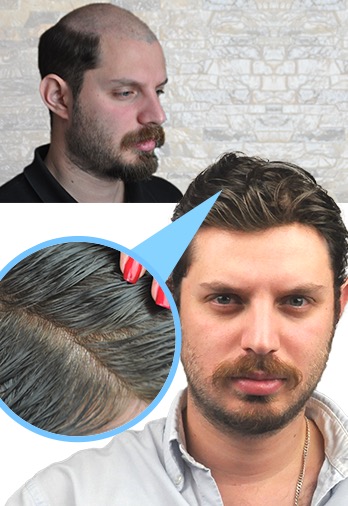


Hormonal Hair Loss
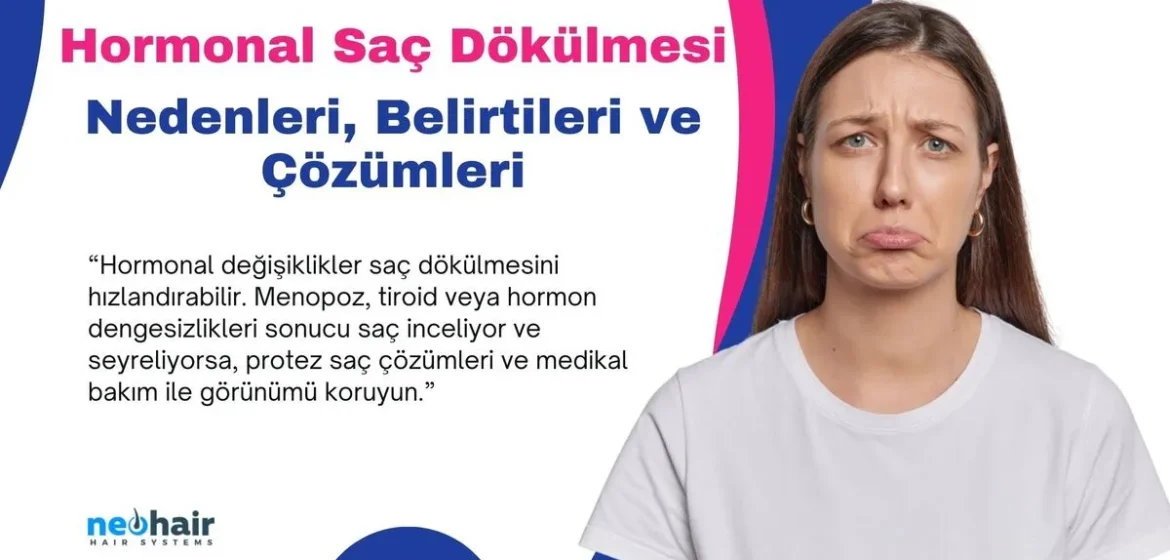
Hormonal hair loss is a common type of hair loss that arises when changes in the body’s hormone levels weaken and thin the hair follicles. In women in particular, pregnancy, the period after childbirth, menopause or thyroid irregularities can trigger it; in men, androgen hormones can. with safe, comfortable, attractive solutions ?
Thanks to modern treatment and support methods, during hormonal hair loss it has become far easier to protect hair density, strengthen the follicles and stay psychologically strong . In this guide you will find the causes of hormonal hair loss, its mechanism and effective ways to solve it.
What Is Hormonal Hair Loss?
Hormonal imbalances can affect the healthy growth cycle of your follicles and lead to hair loss . That is not just a physical loss; it also affects confidence, social life and psychological health. So what steps can be taken to prevent hormonal hair loss, manage the process and protect your hair density?
- The Psychological Effect: Hair loss can cause a loss of confidence and social withdrawal.
- The Physical Effect: Hormonal changes make the follicles thin and the hair sparse.
- The Way Out: With the right information and early intervention the shedding can be managed, and appearance supported with non-surgical solutions such as a hair system.
What Is Hormonal Hair Loss?
Hormonal hair loss arises when hormonal imbalances in the body affect the growth cycle of the hair follicles . The effects of oestrogen, progesterone, testosterone, thyroid hormones and DHT on hair health have been studied in detail in the medical literature.
- Oestrogen and progesterone: In women especially they support the hair’s density and vitality; a fall in them can lead to shedding.
- Testosterone and DHT: In both men and women they shrink the follicles, causing thinning and sparseness.
- Thyroid hormones: Hypothyroidism or hyperthyroidism disrupts the hair cycle and can cause widespread shedding.
- Male and female patterns: In women there is generally thinning across the whole scalp; in men the loss concentrates at the hairline and the crown.
- When the balance goes: The strands thin, sparseness sets in gradually, and over the long term the hair density drops.
Understanding hormonal hair loss is critical to determining the right treatment and care plan. With early awareness and intervention the progression can be prevented, and appearance supported with non-surgical solutions such as hair system .
The Symptoms of Hormonal Hair Loss
Noticing the effects of hormonal imbalance on your hair early is critical to stopping or easing the loss. Here are the most common symptoms of hormone-related hair loss:
- Thinning strands: In both men and women the strands start to thin and become more brittle.
- Signs of hormonal disorder in women: Menopause, the period after childbirth or thyroid problems affect the hair’s overall density.
- Gradual thinning: Hair loss generally progresses slowly and gradually, and can be hard to notice.
- A receding hairline (men): In male-pattern loss the hairline typically recedes and gaps form at the crown.
- General loss of density at the crown (women): In women the hair generally thins at the crown; the hairline is usually preserved.
- Excessive shedding or breakage: More hair than normal can be lost during daily brushing or washing.
When you notice these signs it is important to get expert advice to assess your hormonal balance and protect the health of your hair. What is more, the appearance of hair loss can be masked temporarily with non-surgical solutions such as a hair system, and confidence protected.
The Causes of Hormonal Hair Loss
Understanding the underlying causes of hormonal hair loss is critical to early intervention and effective solutions. Here are the most common factors:
- The effect of DHT and testosterone: Dihydrotestosterone (DHT) shrinks the follicles and leads to male-pattern loss. High testosterone levels can trigger the process.
- Thyroid problems: Hypothyroidism or hyperthyroidism affects the growth cycle of the follicles and can cause thinning.
- Low oestrogen and progesterone: In women, menopause or hormonal fluctuations reduce hair density and speed up shedding.
- Stress and lifestyle: Intense stress, irregular sleep and chronic fatigue disrupt hormonal balance and increase hair loss.
- Nutritional deficiencies: Deficiencies in protein, iron, zinc and vitamins prevent healthy follicle growth and trigger shedding.
Hormonal hair loss can progress faster when combined with genetic predisposition and lifestyle factors. With early awareness and the right treatment strategies it is possible to protect hair density.
The Process and Stages of Hormonal Hair Loss
Hormonal hair loss is generally a gradual process that is hard to notice. Observing the early stages and taking the right measures is critical to slowing the loss.
- Mild Thinning: The strands start to thin and the density drops slightly. The first changes are generally seen at the crown and the hairline.
- Moderate Thinning: The sparseness becomes obvious, the hair thins and gaps start to form. In women the crown is affected, in men the hairline.
- Marked Hairline Changes: The hairline recedes and wide gaps form at the crown. The follicles weaken and the loss can progress faster.
Recognising these stages correctly matters for managing hormone-related hair loss early and, where needed, intervening with medical or non-medical solutions.
Treating and Managing Hormonal Hair Loss
Managing hair loss caused by hormonal imbalance effectively starts with applying the right treatment options in good time. Here are both medical and non-medical solutions:
A. Medical Treatment
- Minoxidil and finasteride: Under a doctor’s supervision they strengthen the follicles, slow the loss and support new growth.
- Hormonal support treatments: The hair cycle is optimised with oestrogen, progesterone or thyroid-balancing treatments.
B. Non-Medical Approaches
- Nutrition and vitamin support: Biotin, zinc, iron and B vitamins support hair health and reduce the effects of hormonal imbalance.
- Stress and sleep management: Regular sleep and stress control help keep the follicles healthy.
- The right hair care products: Gentle formulas provide moisture and strength without harming the scalp.
C. Non-Surgical Solutions
- Hair System: It gives a natural look while the hair loss continues, boosts confidence and helps you carry on with daily life uninterrupted.
- Wig: It offers temporary cover and an aesthetic solution, useful especially during periods of heavy loss.
- Temporary Covering Methods: Aesthetic support can come from clips, bandanas or hair pieces.
Support With a Hair System in Hormone-Related Hair Loss
Hormonal imbalances (raised DHT, low oestrogen and progesterone, thyroid problems) affect the follicles and can cause thinning and shedding . That process can affect both physical appearance and confidence negatively. Hair system offers a natural solution and aesthetic support until the hair grows strong again.
- Natural look: With a bespoke hairline and density setting it gives the feel of real hair even in hormonal shedding.
- Comfortable to Wear: Light, breathable and gentle on the skin, it lets you carry on with daily life uninterrupted.
- Support for Confidence: It lifts morale and psychological support during hair loss and protects social life.
- Flexible Planning: As hair density increases with hormonal treatment or lifestyle changes, the hair system can easily be adapted.
- Medical Compatibility: It offers safe wear with adhesives and materials suited to a sensitive scalp.
Remember: you are not alone in hormonal hair loss. NeoHair ‘s expert team is with you, both to protect your natural look and to support your confidence.
Frequently Asked Questions
What causes hormonal hair loss?
Raised DHT, low oestrogen and progesterone, thyroid problems and stress hormones affect the follicles and lead to shedding. Nutritional deficiencies and lifestyle factors can also speed the process.
Are the symptoms different in men and women?
Yes. In men the hairline generally recedes and thinning starts at the crown; in women the crown and overall density drop and the strands thin.
Can a hair system be used in hormonal hair loss?
Yes, a hair system can be used safely during hormonal shedding. Its natural look and light structure protect confidence and support social life.
How long does treatment take and what is its effect?
Hormone-balancing treatments and medical products generally start to take effect in three to six months. Throughout the process a hair system protects appearance and supports confidence. With regular follow-up and lifestyle changes the results can be lasting.
What are the recommendations for home care and nutrition?
To support hair health, eat a diet rich in protein, zinc, iron and biotin. Use gentle shampoos and care products, and pay attention to your stress and sleep. If you wear a hair system, check the adhesive and care products regularly.
Does a hair system stop hormonal hair loss?
No, a hair system does not stop hormonal shedding; but it gives a natural look and confidence while it continues, and supports social life.
When can a hair system be used in hormonal hair loss?
A hair system can be used from the moment the hair loss starts. That way appearance is protected and loss of confidence prevented even as the shedding progresses.
What are the advantages of a hair system in hormonal shedding?
With its natural look, bespoke fit, light and breathable structure it provides comfort and appearance during hormonal hair loss and supports morale and social life.
What should be watched for in caring for a hair system during hormonal hair loss?
Checking the adhesives regularly and using gentle shampoos and care products extends the system’s life. Professional support is recommended during hormonal shedding.
Which treatments can be used alongside a hair system during hormonal shedding?
Medical treatments such as minoxidil, finasteride and hormone-balancing support can be used together with a hair system. That combination both supports the follicles and protects appearance.
Related Posts
In Which Cases Is a Hair System Applied
Hair loss has been one of men’s main problems from the past to the present. Although it is seen in men, it is seen just as often in…
Read More
The Stages of Making a Hair System
Hair transplant Hair systems, chosen more often than that method and used more and more, bring the question “What is this hair system method?” to mind. First of…
Read More
How Long Does a Nanotechnology Hair System Last?
The service life of nanotechnology hair systems varies according to the material used in making them, correct wear and the care carried out. The technology used in making…
Read More