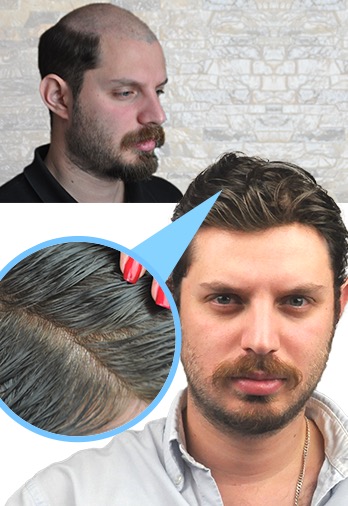


Hair Loss During Menopause
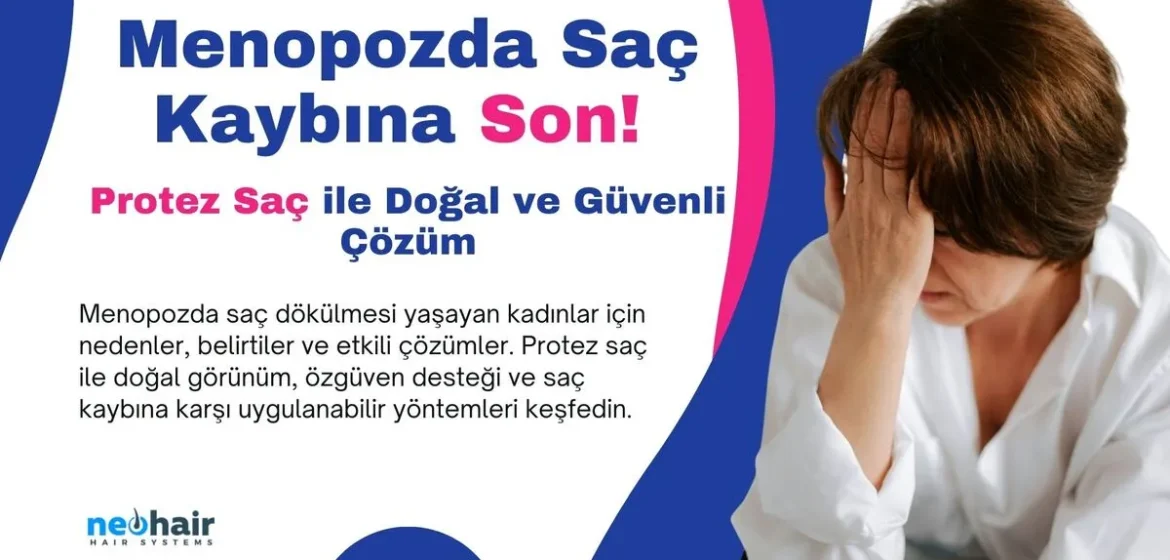
During menopause, changes in oestrogen and progesterone levels can directly affect hair loss and hair health in women. These hormonal fluctuations cause the hair follicles to thin and the hair cycle to shorten, producing a marked reduction in hair density and thinning along the hairline. This is not only a physical change but an important process that also affects self-confidence and psychological wellbeing.
So, even if your hair begins to thin and fall out during menopause, is it possible to preserve your appearance and maintain your self-confidence? And until your hair grows strong again, with natural, comfortable, safe solutions can you carry on with your daily life?
Thanks to modern hair systems, during menopause supporting your hair density, preserving your natural appearance and strengthening your self-confidence is now far easier. Neohair In this guide, prepared by our expert team, you will discover the causes of hair loss during menopause, how it works and the effective solutions a hair system provides.
Why Does Hair Loss Occur During Menopause?
Menopause is a period in which hormone levels change dramatically in women. The decline in oestrogen and progesteronecauses the hair follicles to thin and hair density to fall. In addition, the relative rise in androgens shortens the hair cycle and accelerates hair loss. Genetic predisposition and lifestyle factors also affect this process.
- Hormonal Changes: The decline in oestrogen and progesterone thins the hair follicles and triggers hair loss.
- The Androgen Effect: Relatively increased androgens shorten the hair growth phase and cause hair to come through weak and sparse.
- Genetics and Lifestyle: A family history of post-menopausal hair loss, together with factors such as diet and stress, increases the risk.
Hair loss during menopause arises from a combination of hormonal changes and personal risk factors. Noticing it early allows hair health to be protected with appropriate care and medical support.
Risk Factors for Hair Loss During Menopause
Menopause brings with it a series of risk factors that affect hair health in women. A family history of post-menopausal hair loss places women at higher risk because of genetic predisposition. In addition, intense stress, irregular sleep and nutritional deficiencies can weaken the hair follicles. Thyroid or other hormonal problems are also important factors that accelerate hair loss.
- Genetic Predisposition: A family history increases the risk of hair loss.
- Stress and Lifestyle: High stress, irregular sleep and nutritional deficiencies affect hair health adversely.
- Hormonal Factors: Thyroid problems and the hormonal changes of menopause trigger hair loss.
To prevent or slow hair loss during menopause it is important to recognise the risk factors. Regular health checks, a balanced diet and stress management help to protect hair health. Where necessary, the effects of hair loss can be reduced with medical support and hair care methods.
Hair Loss During Menopause: Symptoms and Diagnosis
Hair loss in women during menopause arises as a direct result of changes in hormone levels. In this process the fall in oestrogen and progesterone levels causes the hair follicles to thin and the strands to weaken. As a result, a marked reduction in hair density and thinning along the hairline may be observed. Slight thinning of the eyebrows and eyelashes may also occur, which is an important sign affecting overall appearance.
To assess the cause and severity of hair loss correctly, blood tests are frequently used. The TSH test measures the effects of thyroid function on hair health, while a hormone panel shows the status of oestrogen, progesterone and androgen levels. Vitamin and mineral deficiencies can also increase hair loss. For this reason iron, zinc, vitamin D and B12 levels are checked as well.
- Hair Density: A reduction is seen particularly at the crown and along the hairline.
- Eyebrows and Eyelashes: Thinning and weakening are signs of the hormonal changes associated with menopause.
- Diagnostic Tests: TSH, a hormone panel and vitamin levels are used to determine the cause of hair loss.
Menopausal hair loss is diagnosed through both clinical observation and laboratory tests. Thinning and sparseness of the strands usually begin as a slow process, but in some cases sudden heavy shedding can occur. In such cases early intervention and expert guidance are important. With the right diagnosis, hormonal imbalances and nutritional deficiencies can be treated and hair loss brought under control.
Ways to Prevent Hair Loss in Women During Menopause
Several strategies can be applied to prevent hair loss in women during menopause, reduce the impact of hormonal changes and protect hair health. The first step is to adopt a healthy lifestyle. A balanced dietprovides the vitamins and minerals the hair follicles need. In particular, iron, zinc, biotin, vitamin D and B12 are critically important for hair health.
Stress management also plays an important role in hair loss. Activities such as yoga, meditation and regular exercise can reduce hair loss by supporting hormonal balance. In addition, treating your hair gently and avoiding tight styles and excessive heat styling prevents breakage and preserves hair density.
- A Balanced Diet: Taking in enough of the vitamins and minerals that strengthen the hair follicles.
- Stress Management: Meditation, yoga and exercise for hormonal balance and hair health.
- Hair Care: Gentle combing, avoiding excessive heat and not tying the hair too tightly.
- Medical Support: If necessary, hormone supplements or hair care products may be used under the supervision of a dermatologist and endocrinologist.
Although it is not entirely possible to prevent hair loss during menopause, with the right methods hair loss can be kept to a minimum and the appearance of the hair supported. Taking early measures strengthens self-confidence as well as protecting hair health. When women notice the signs of hair loss, they can manage the process with effective solutions by seeking support from an expert dermatologist.
Hair Loss During Menopause and a Natural Look with a Hair System
For women experiencing hair loss due to the hormonal changes of menopause, hair systemoffers a non-surgical, aesthetic solution. This method provides an instantly natural appearance in areas that have lost hair density and helps to preserve self-confidence. Custom-designed systems, matched to your real hairline and with breathable structures, provide comfort all day long.
- A Non-Surgical Solution: Painless and quick to apply, it can be used with confidence during menopause.
- Support for Confidence: By concealing thinning hair it lifts morale and social confidence.
- Bespoke Design: Systems matched to your hairline and texture provide a natural appearance.
- Suited to Sensitive Skin: Special adhesives and materials are used for the scalp, which becomes more sensitive during menopause.
- Flexible Use: As the hair follicles grow stronger or as hair loss continues, the system can be adjusted again.
To bring hair loss during menopause under control and support your appearance, a hair system gives the most effective results when used alongside medical treatment. Our expert team follows your hair health and offers a solution that is both aesthetic and comfortable.
Frequently Asked Questions
Can a hair system be used during menopause?
Yes, a hair system can be used safely by women experiencing hair loss during menopause. It provides a natural appearance while hair density decreases and supports self-confidence. With its personalised design and breathable structure it makes everyday life easier.
What is a women’s hair system?
Women’s hair systemis a custom-designed, temporary and non-surgical solution used for menopausal and age-related hair loss that provides a natural appearance. With a structure matched to the hairline and able to breathe, it offers comfortable wear and supports self-confidence and an attractive appearance.
What are the advantages of a hair system in menopausal hair loss?
A hair system covers hair thinned by menopause quickly and naturally. It boosts self-confidence and preserves an attractive appearance. It is prepared with a personalised design and materials suited to sensitive skin. It can be used with confidence while the hair follicles grow stronger, and provides comfort in daily activities.
How is a women’s hair system cared for?
A women’s hair system should be cleaned with a gentle shampoo and special care products. The adhesive and the system’s attachments should be checked regularly and supported by professional maintenance. In this way the hair system lasts longer and an attractive appearance is preserved during menopause.
Does a hair system prevent menopausal hair loss?
A hair system does not prevent hair loss directly, but by covering hair thinned during menopause it provides a natural appearance. It offers psychological support and preserves self-confidence. Used together with medical treatment, the effects of hair loss become more manageable.
Should a short hair system be chosen during menopause?
A short hair system, with its light and breathable structure, is an ideal solution for hair thinned during menopause. It provides comfort in daily use and supports a natural appearance. It is prepared with a personalised cut and design matched to your hairline.
How long can a women’s hair system be used?
The service life of a hair system depends on care and wearing habits. It generally lasts between three and six months. With regular cleaning, adhesive checks and professional maintenance its life can be extended, and it can be used safely for a long time in menopausal hair loss.
Is a hair system comfortable to wear during menopause?
Thanks to its light, breathable and personalised design, a hair system provides comfortable wear during menopause. It matches your hairline and offers an attractive appearance. It increases comfort in daily activities and preserves self-confidence.
Related Posts
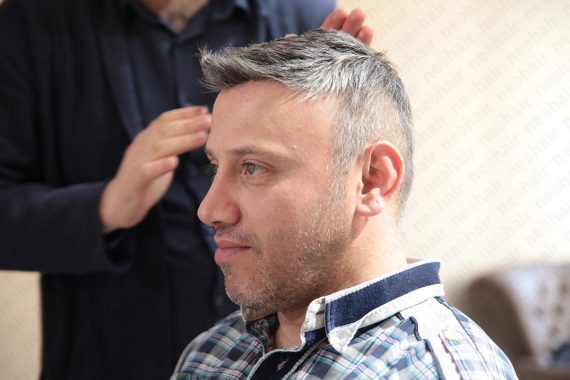
The Stages of Making a Hair System
Hair transplant Hair systems, chosen more often than that method and used more and more, bring the question “What is this hair system method?” to mind. First of…
Read More
In Which Cases Is a Hair System Applied
Hair loss has been one of men’s main problems from the past to the present. Although it is seen in men, it is seen just as often in…
Read More
How Long Does a Nanotechnology Hair System Last?
The service life of nanotechnology hair systems varies according to the material used in making them, correct wear and the care carried out. The technology used in making…
Read More